
Low-impact industrial design through process simplification
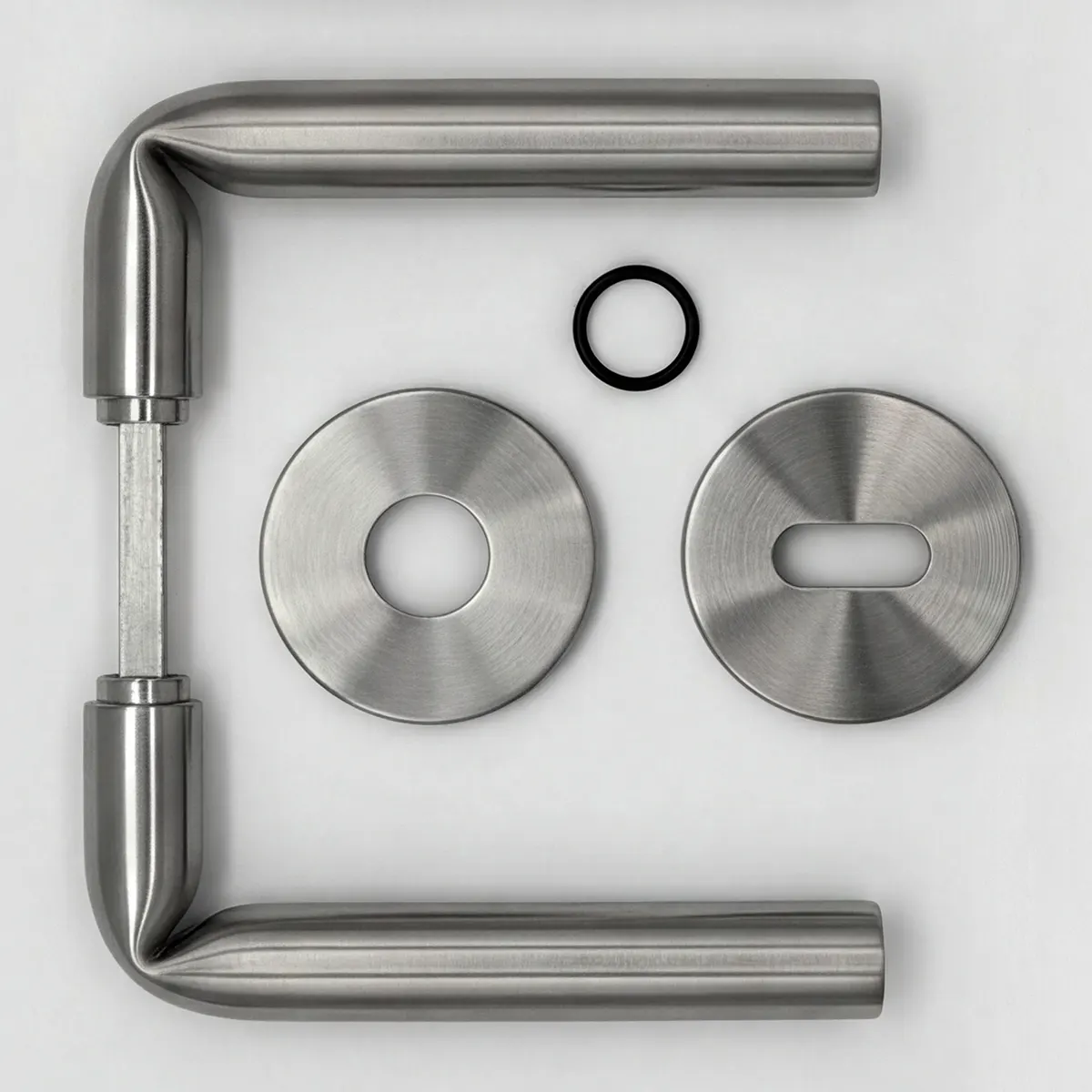
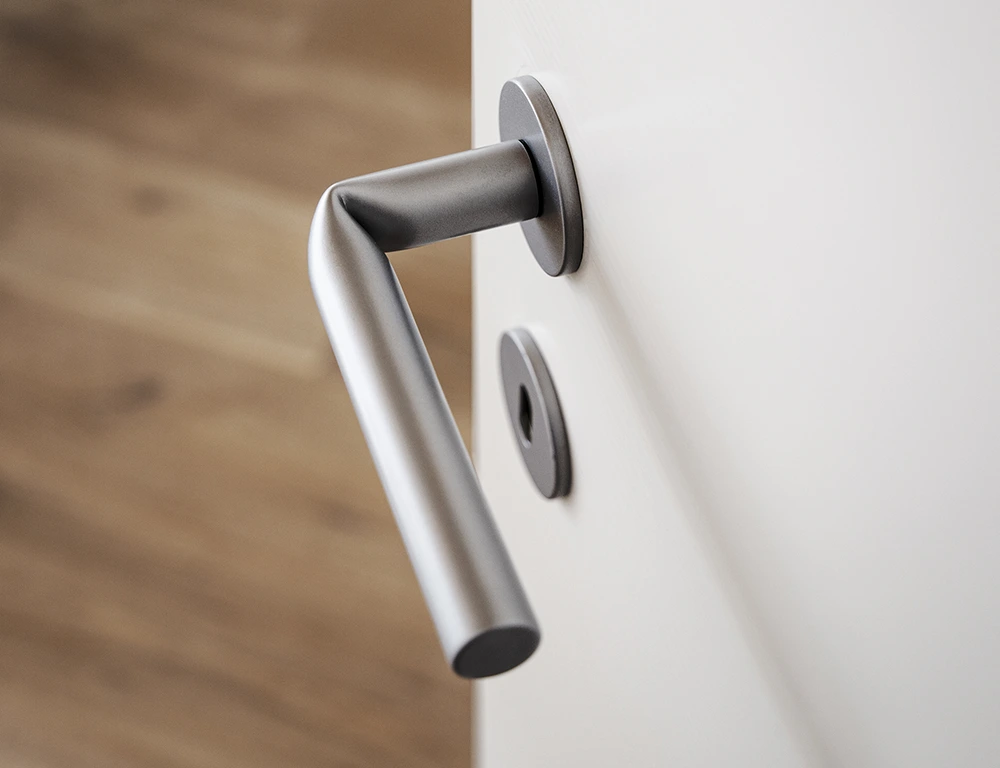
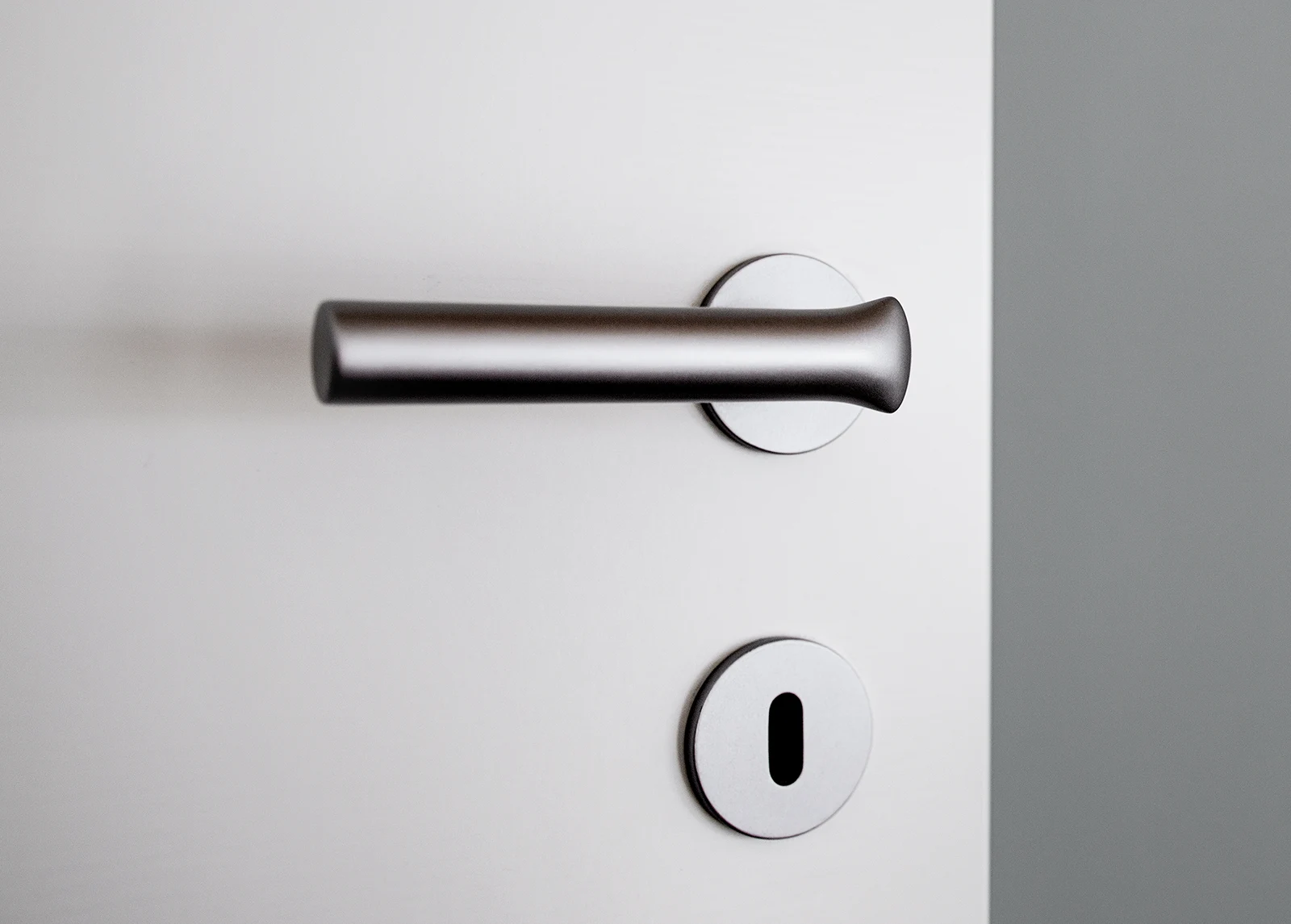
Perfectly Imperfect — a cold-bent steel door handle designed to reduce complexity, material use and environmental impact.
Industrial design
Client — Keim GmbH
Status — In production
Award — European Product Design Award
Simplifying the process
Problem
How can manufacturing simplification become design quality?
The project starts from a clear question:
is it possible to reduce process, components and impact without compromising identity, ergonomics and perceived value?
The goal was not to add complexity, but to remove what is unnecessary.
Solution
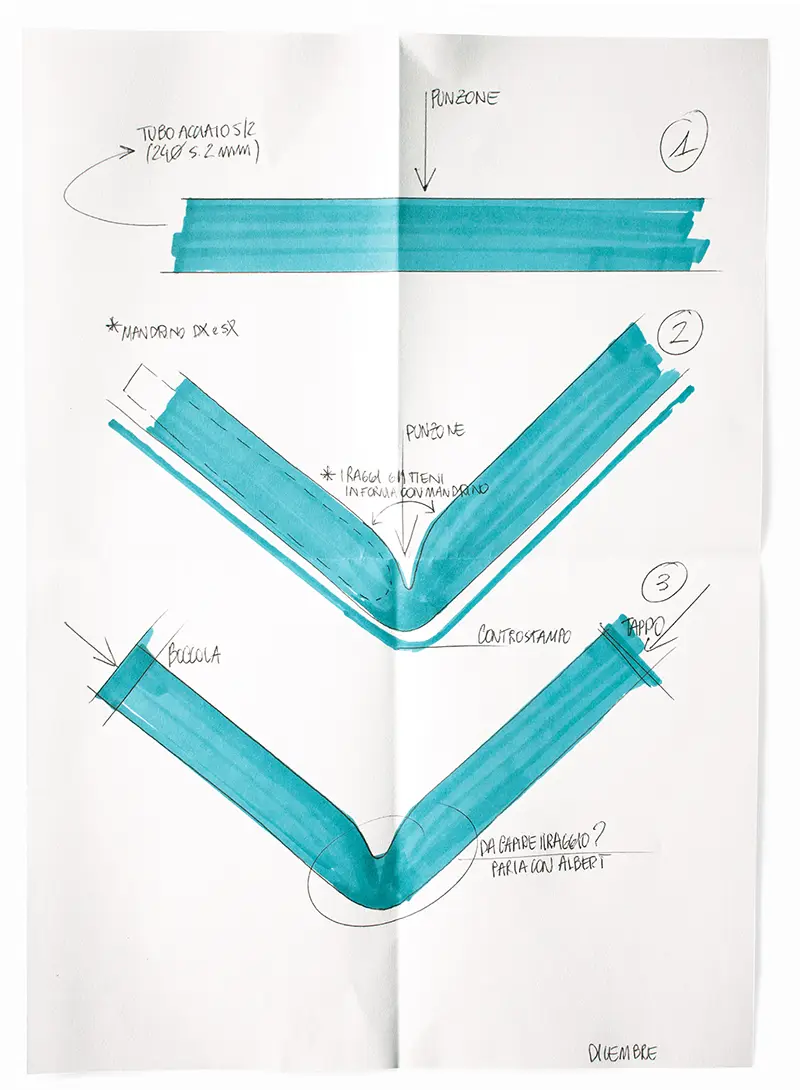
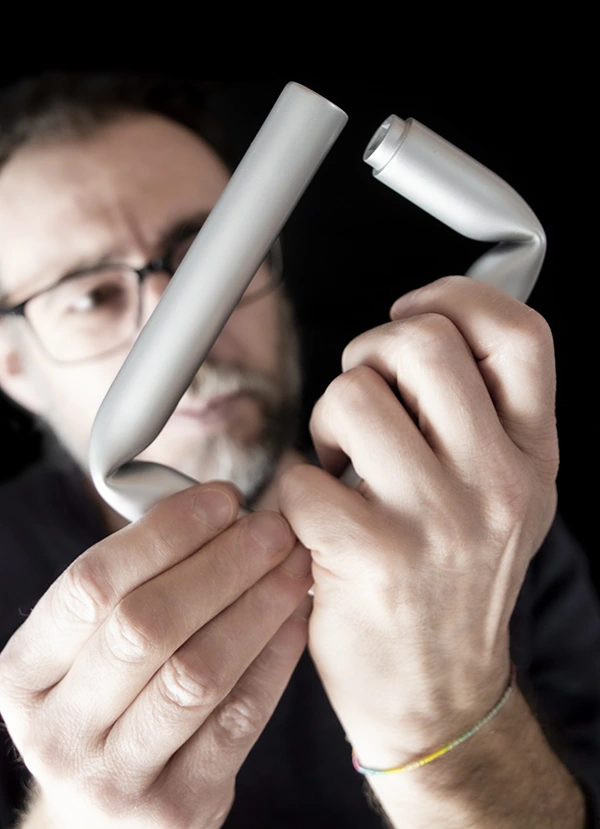
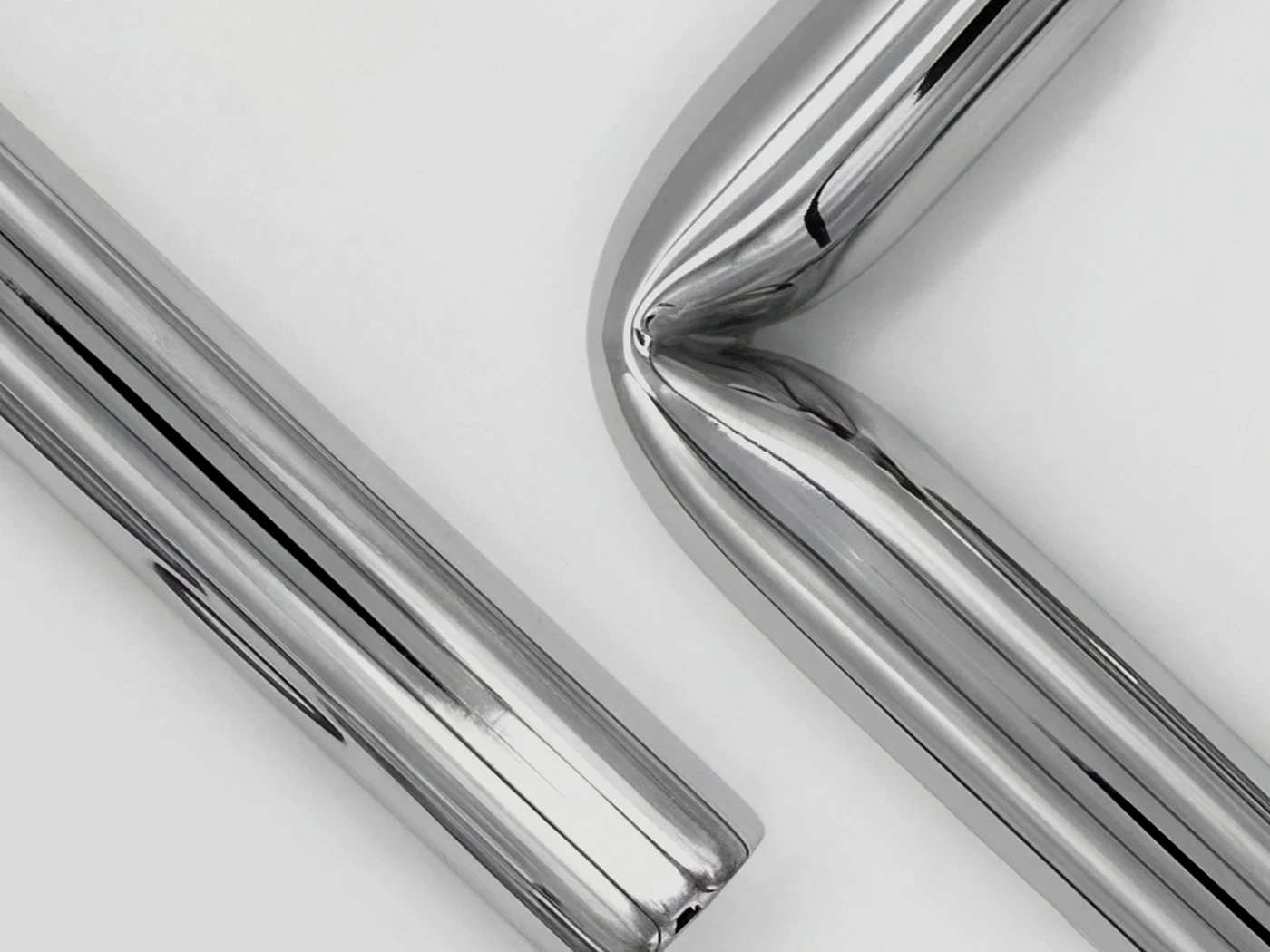
Perfectly Imperfect originates from a simple gesture: a bend.
A minimal deviation that becomes structure, language and function.
The handle is developed from a cold-bent steel tube, avoiding brass casting and dedicated molds.
This approach reduces production steps, material use and energy consumption — turning the manufacturing logic into form.
Imperfection becomes a design principle.
Visually imperfect.
Structurally precise
Result
An essential, industrially viable and recognizable product.
A project that combines industrial design, process simplification and sustainability into a single solution — awarded internationally and brought to market.
From imperfection to system
The bending point is not an aesthetic detail, but the core of the project.
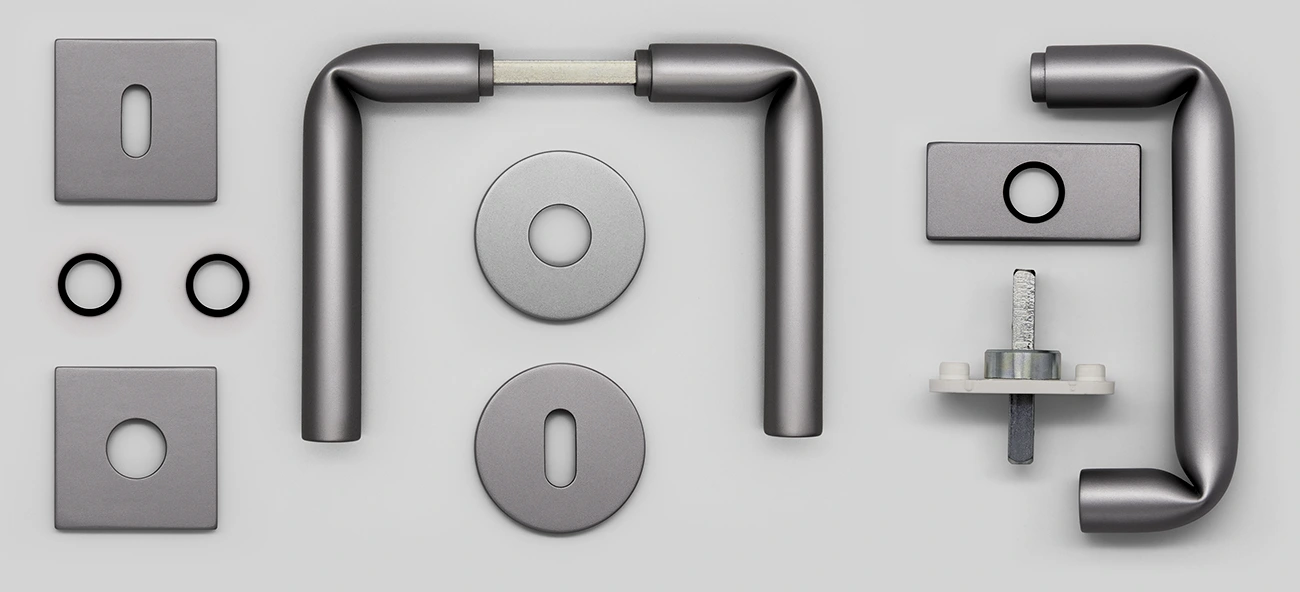
From this controlled anomaly emerges a coherent system of proportions, ergonomics and components — where form and production coincide.
Simplification does not reduce the product.
It defines its character.
Project insights
Perfectly Imperfect is a sustainable industrial design project exploring the relationship between form, production process and impact reduction.
The concept is based on a simple logic: simplify the process to improve the product.
Instead of relying on traditional casting and tooling, the project uses cold mechanical bending of steel as its core principle.
This choice reduces components, production time and material consumption.
CO₂ reduction
Sustainability is not treated as an added feature, but as a direct consequence of the design.
Fewer production steps mean less energy, lower complexity and a potential reduction of the CO₂ footprint.
The role of design
At the same time, this approach generates a recognizable form where apparent imperfection becomes identity.
The project operates between rigidity and lightness: steel — typically perceived as rigid — is reinterpreted through a gesture similar to a natural flex.
This contrast defines both the visual character and the ergonomic quality of the object.
Added value
Perfectly Imperfect represents an approach to product design based on intelligent simplification:
reducing without losing quality,
simplifying without weakening the project. A case where innovation, industrial logic and essential design align