
Tesone Alimentari – From a Physical Store to an Online Shop
A traditional store, a wide range of products, and a simple question: how do you turn the knowledge of a shop into an online shopping experience?
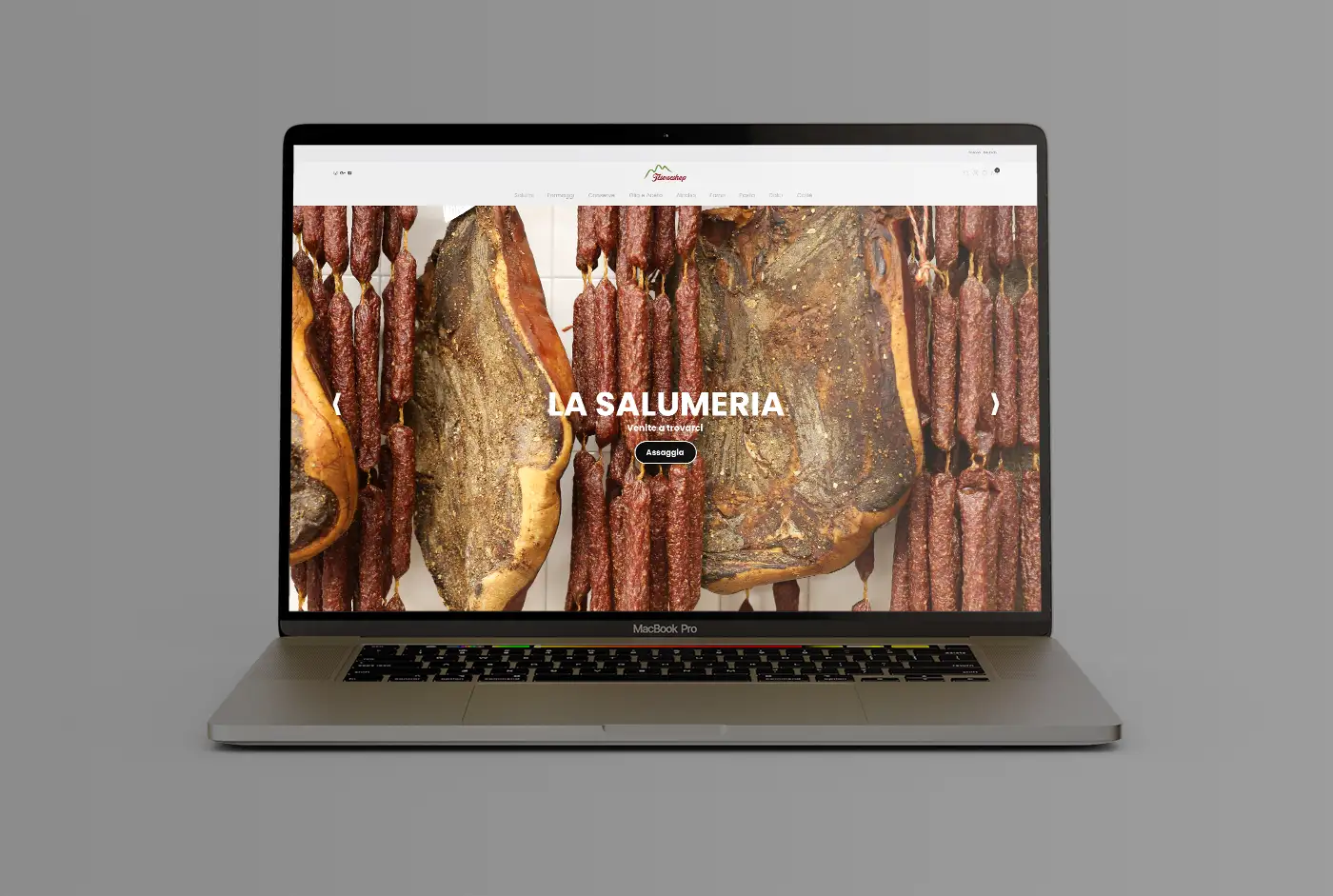
E-commerce
Client — Tesone Alimentari
Status — Published
Understanding the Shop Before Designing the Website
When I started working on the Tesone project, the first step was not to design an online shop, but to understand the business.
The store offered a wide selection of food products, local specialities and traditional Italian products. Before organizing them online, it was important to understand how the range was structured and, above all, how to group the products from the perspective of the people who would be buying them.
I worked with the client to gather information about the products, categories and characteristics of the offer.
The client knew the products. My role was to turn that knowledge into a structure that made sense on the web.
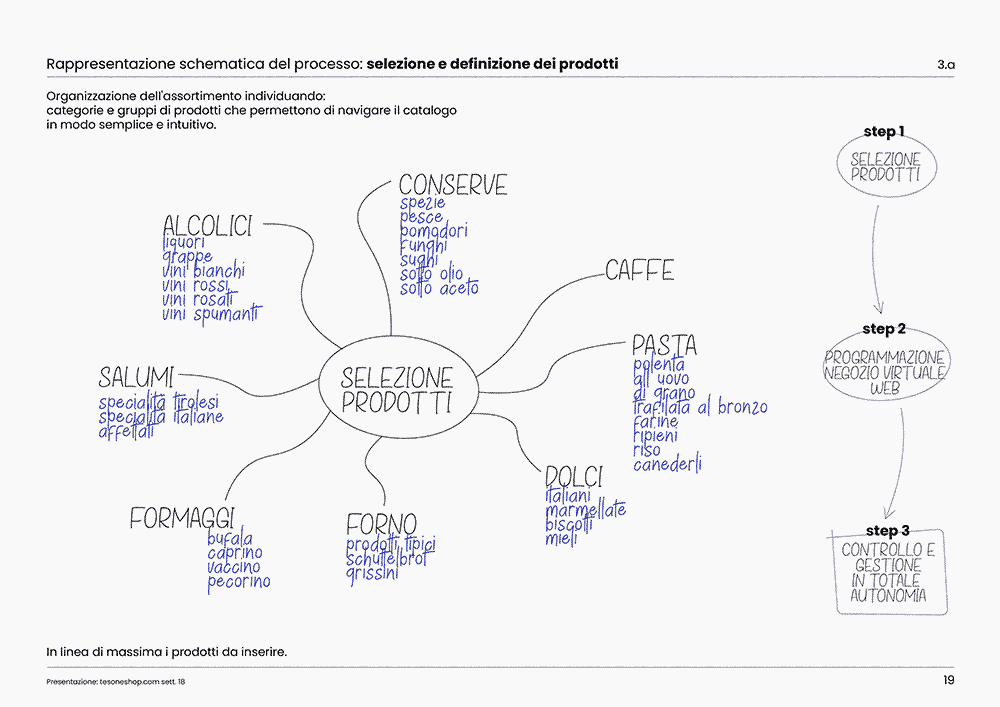
(step 01) — Product selection and definition.
From Product Range to Structure — Step 01
In a physical shop, the space itself helps customers find their way around.
Online, that space has to be recreated through categories, pages, images and information.
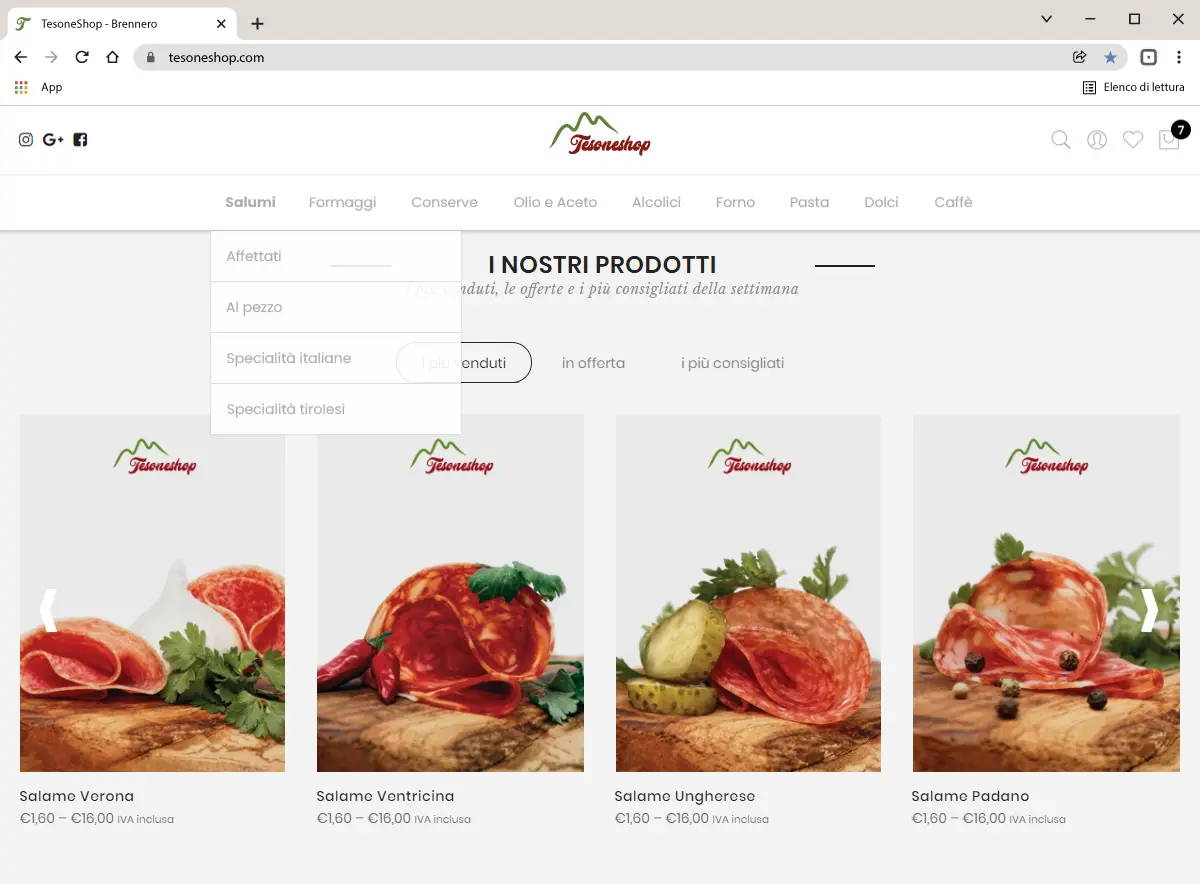
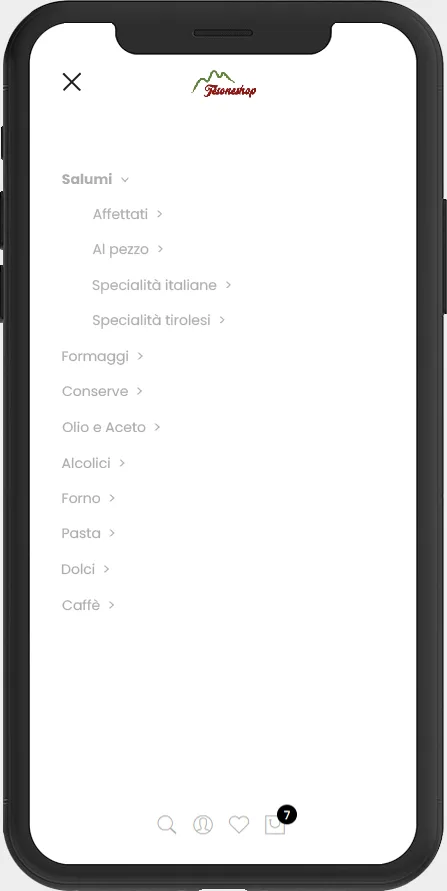
We organized the product range by identifying categories and product groups that would make browsing the catalogue simple and intuitive.
Before designing individual pages, we needed to understand how customers would find the products.
The goal was not simply to transfer the shop onto a screen, but to create a natural way to explore it.
From the Shop to the Web — Step 02
Once the structure had been defined, the project moved on to designing the digital experience.
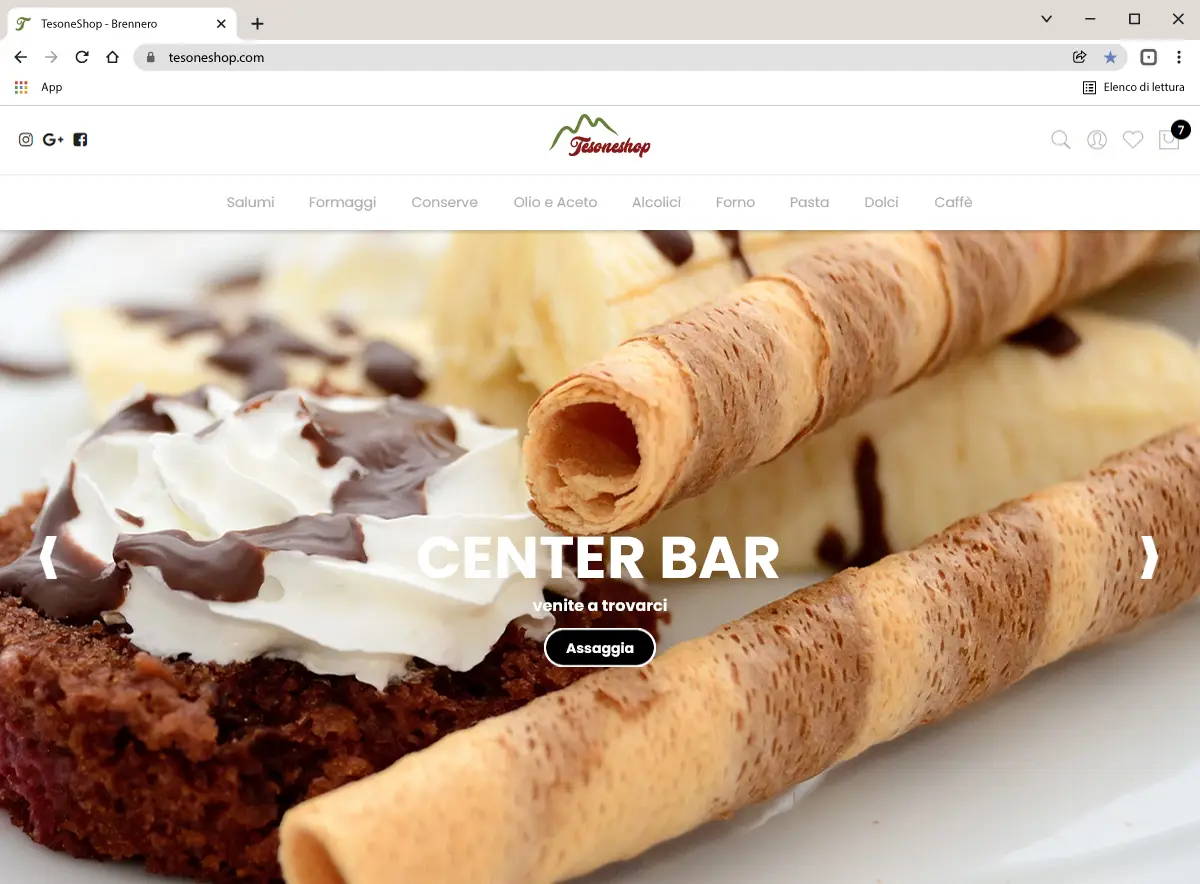
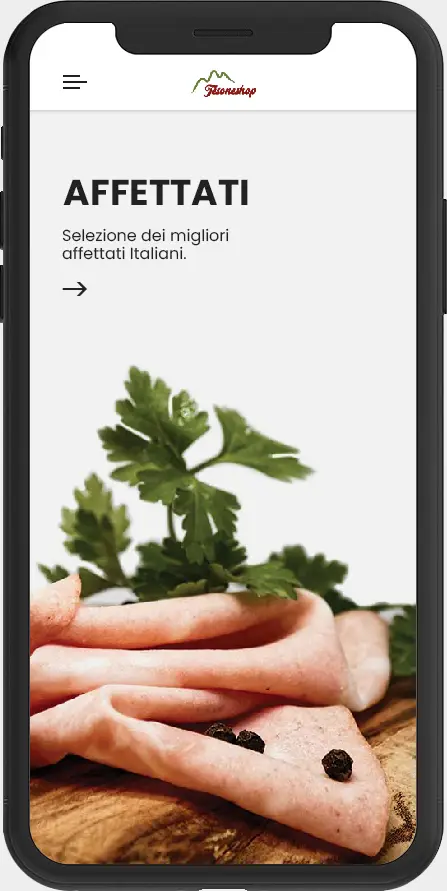
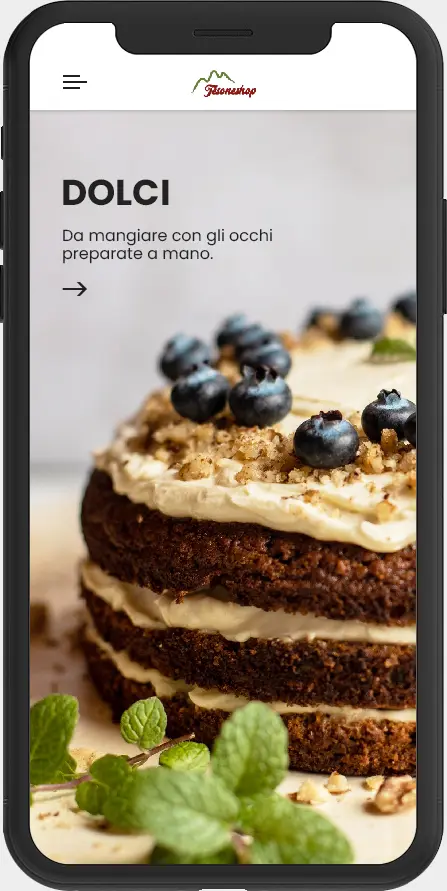
The online shop was developed using WordPress and WooCommerce. I designed the interface, product catalogue and shopping journey, from browsing to purchase.
The homepage, categories, product pages, shopping cart and checkout were designed as parts of one coherent system.
The journey had to be simple: arrive, find your way around, discover a product, understand it and buy it.
Not just a digital showcase for the physical shop, but a tool for selling.
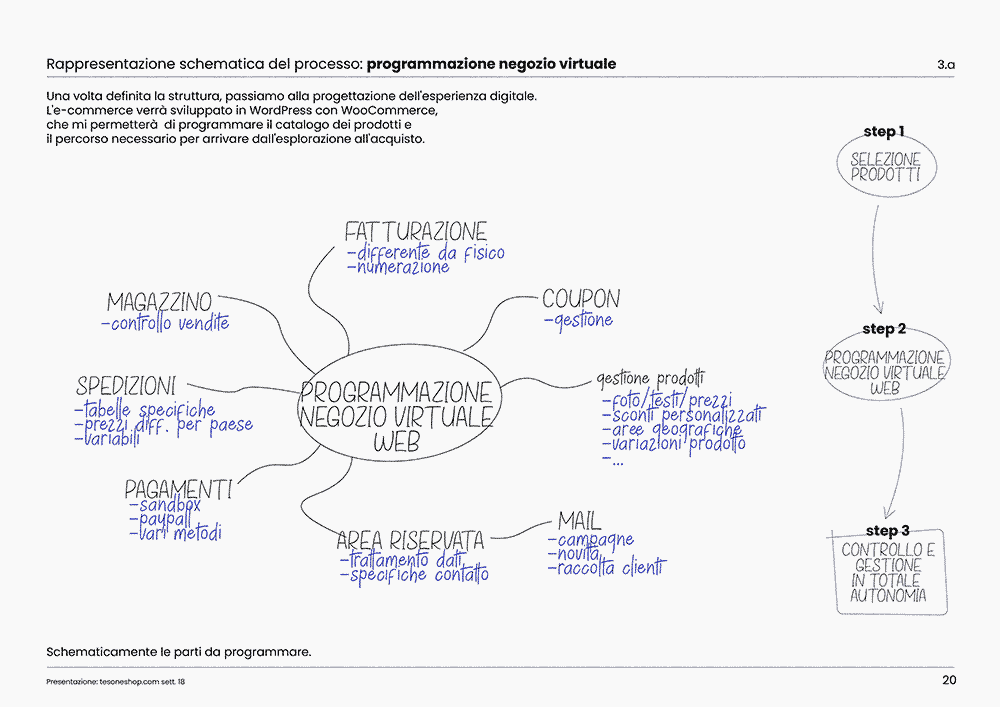
(step 02) — Development of the online shop.
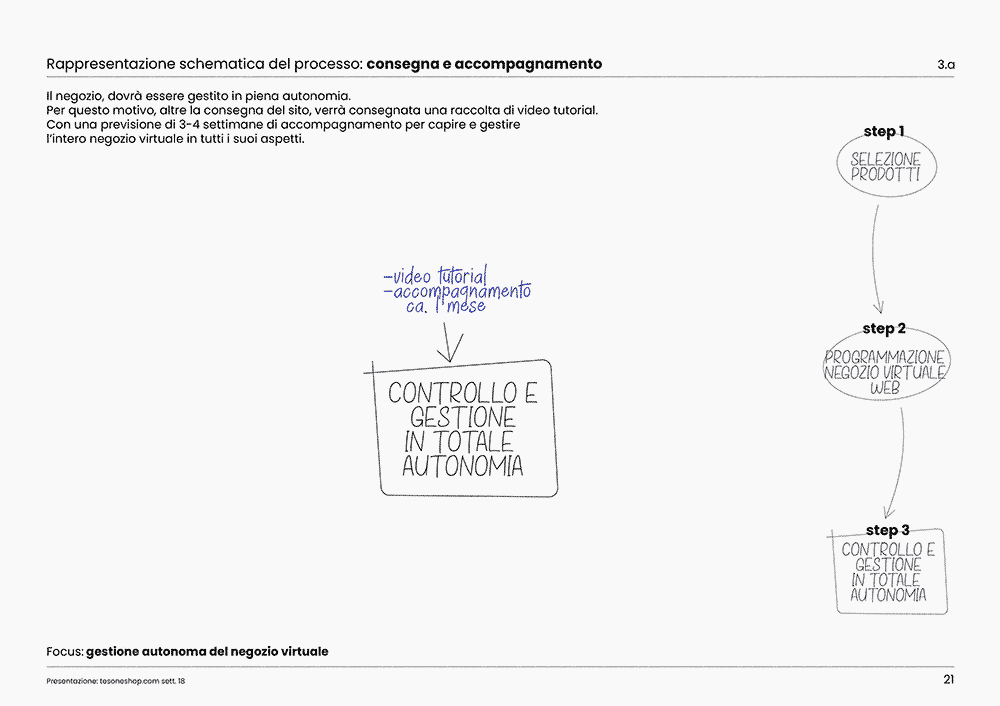
(step 03) — Handover and ongoing support.
From Design to Independence — Step 03
Handing over the website was not meant to mark the end of the project.
I provided the client with materials and tutorials to learn how to manage the online shop independently. After an initial period of support, the client began managing products and content on their own.
Over time, this independence became a tangible part of the project: the client learned to use the tool and keep it updated without having to rely on the designer.
A Project That Keeps Selling
Created in 2017, the Tesone project was one of the first online shops I designed and developed.
Years later, the online channel is still being used by the business and remains a practical part of its sales system.
In the meantime, the underlying technology has changed, but the principle behind the project remains the same: organize the products, make the purchasing journey simple and enable the client to manage the online shop independently.
For me, this is the most interesting outcome: not simply having built an online shop, but having created a tool that continues to be used in the business’s day-to-day work.
When Design Becomes a Tool
An online shop is more than an interface.
Behind every product, every category and every purchase is an organization that needs to be understood before it can be designed.
For Tesone, the work started with the physical shop, moved through the organization of the product range and took shape as a digital shopping experience.
Then came another equally important step: giving the client the ability to manage that tool independently.
Understand. Organize. Design. Build. Transfer knowledge.
For me, this is the role of design when it becomes part of a digital project.
A good project does not end when it goes live.
It works when it continues to be used.