

Integrated Design for Urban Electric Mobility
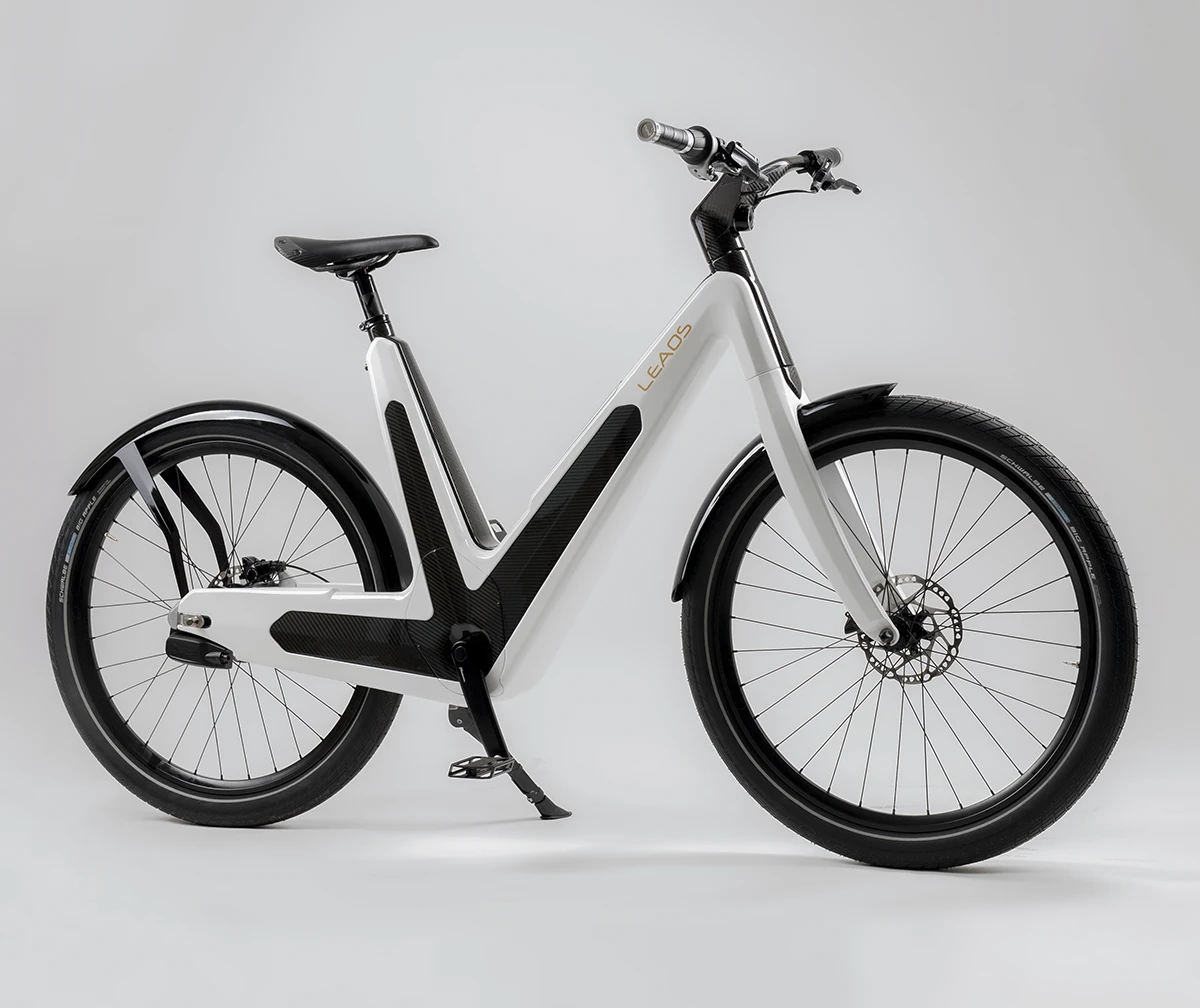
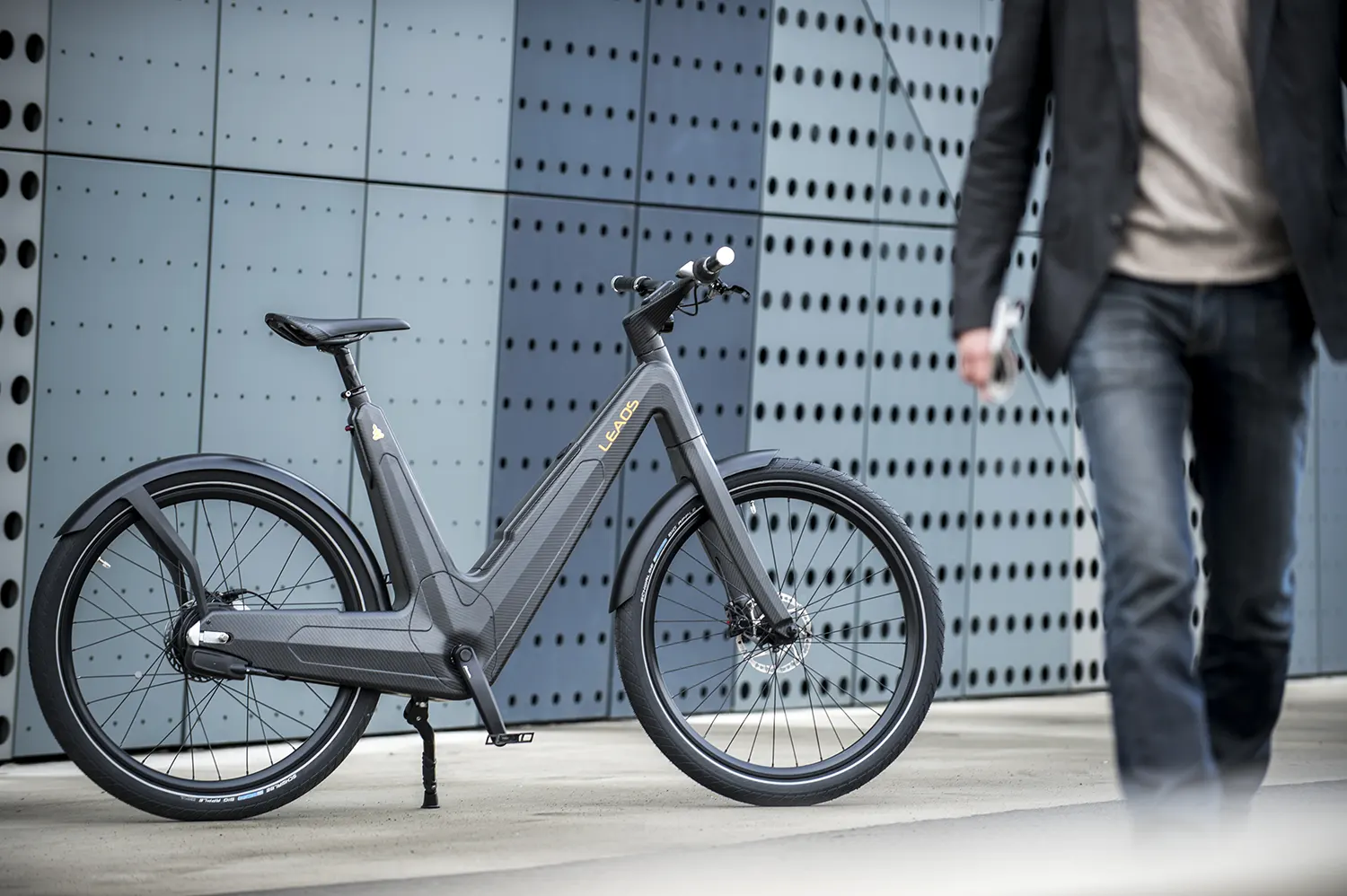
Pure — An e-bike designed to redefine the visual identity of urban electric mobility.
An industrial design project combining technology, integration and formal simplicity within a single monocoque structure.
Industrial design
Client — LEAOS
Status — In production
Awards — Red Dot Design Award Winner

Pedal-assist bicycle? Neither scooter nor traditional bicycle.
Problem
Many electric bicycles are developed either as technical evolutions of traditional bicycles or adopt a visual language close to electric scooters.
The result is often a product without a clear identity of its own.
The project was born from the intention to find a balance between urban mobility, technological integration and formal recognizability.
Solution
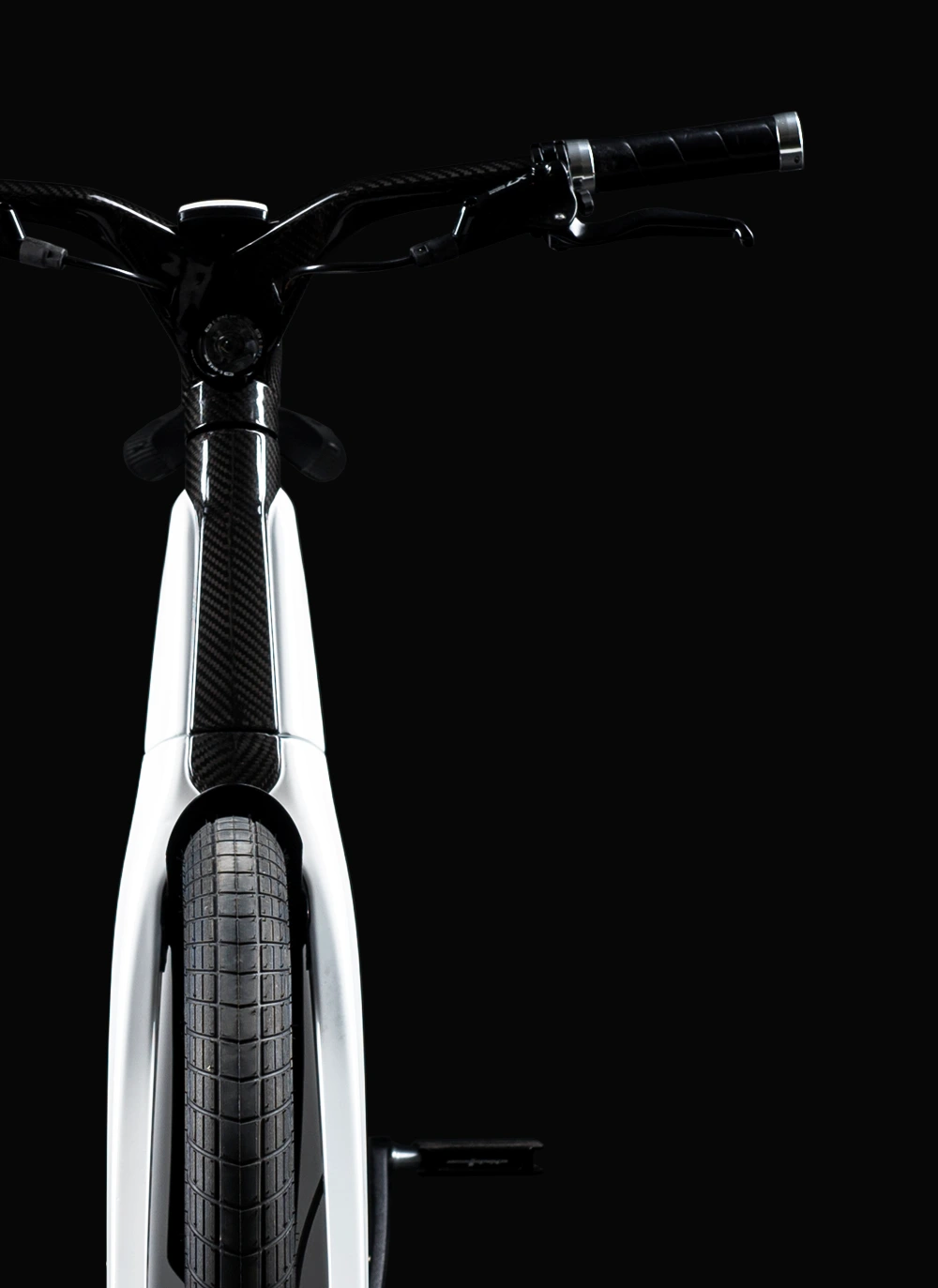
The bicycle was designed as a single integrated body.
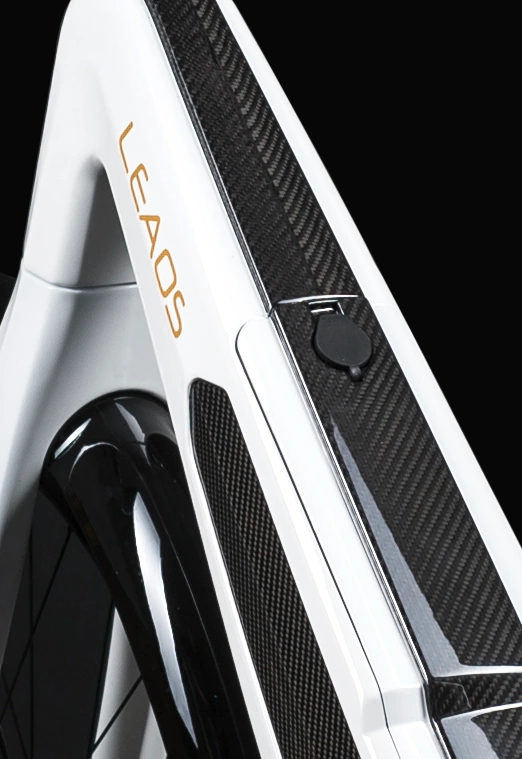
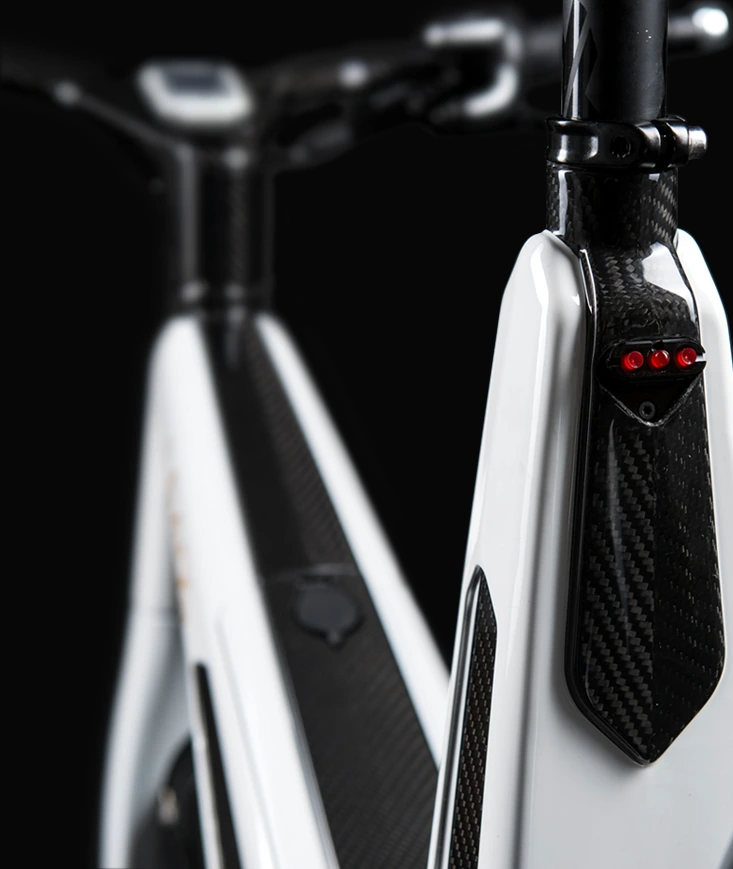
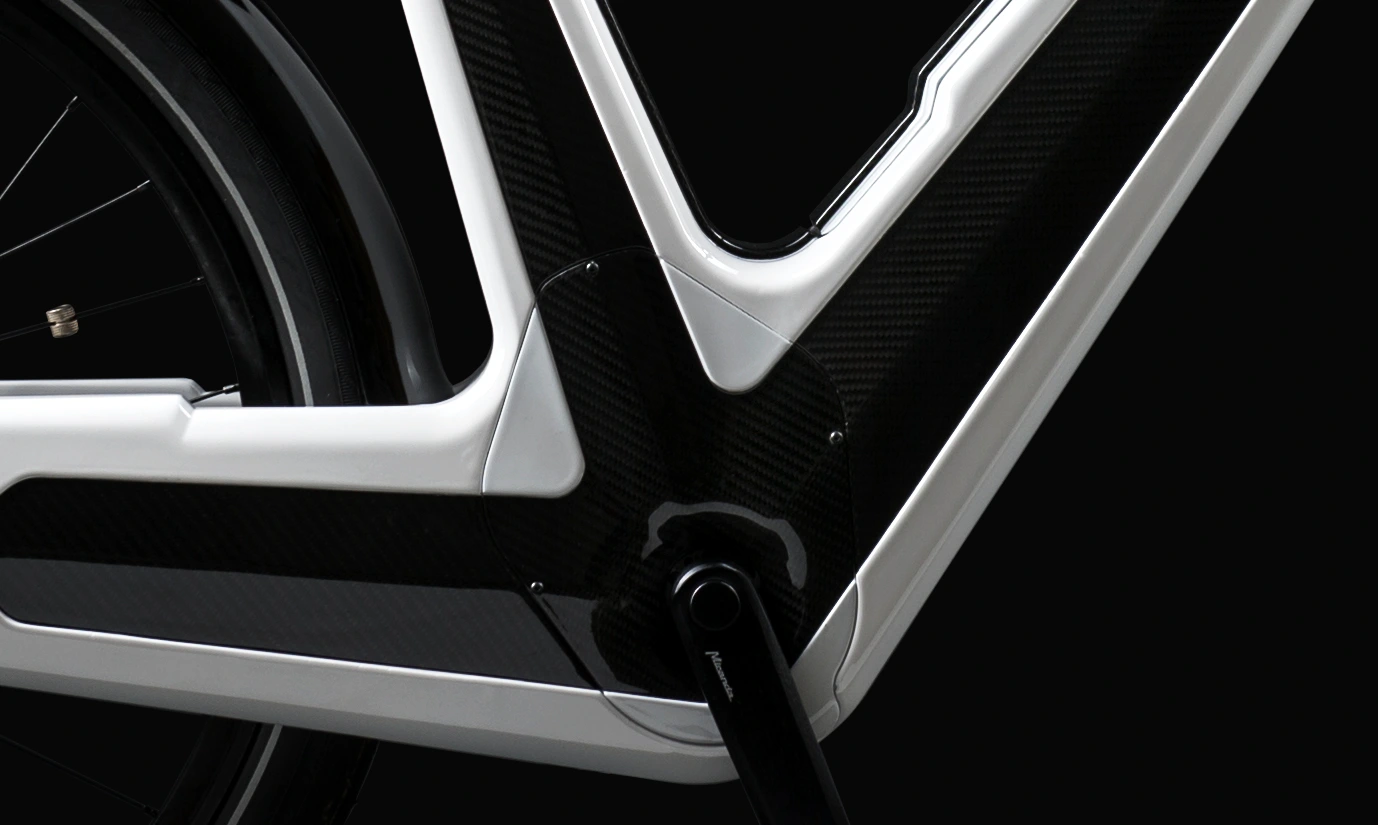
Frame, battery and technical components coexist within a monocoque structure developed in carbon fiber and Kevlar, reducing visual complexity while improving the perception of the product.
The goal was not to hide technology, but to integrate it coherently.
The formal language deliberately avoids both traditional bicycle aesthetics and electric scooter references, defining a new identity for contemporary urban mobility.
The project also introduces a customizable system of surfaces and materials, allowing different aesthetic and functional configurations, including the integration of solar panels to support energy autonomy.
Result
An essential, technical and recognizable transport design project.
An urban mobility platform integrating industrial design, sustainability and production innovation into one coherent solution.
Integrated technology, essential form
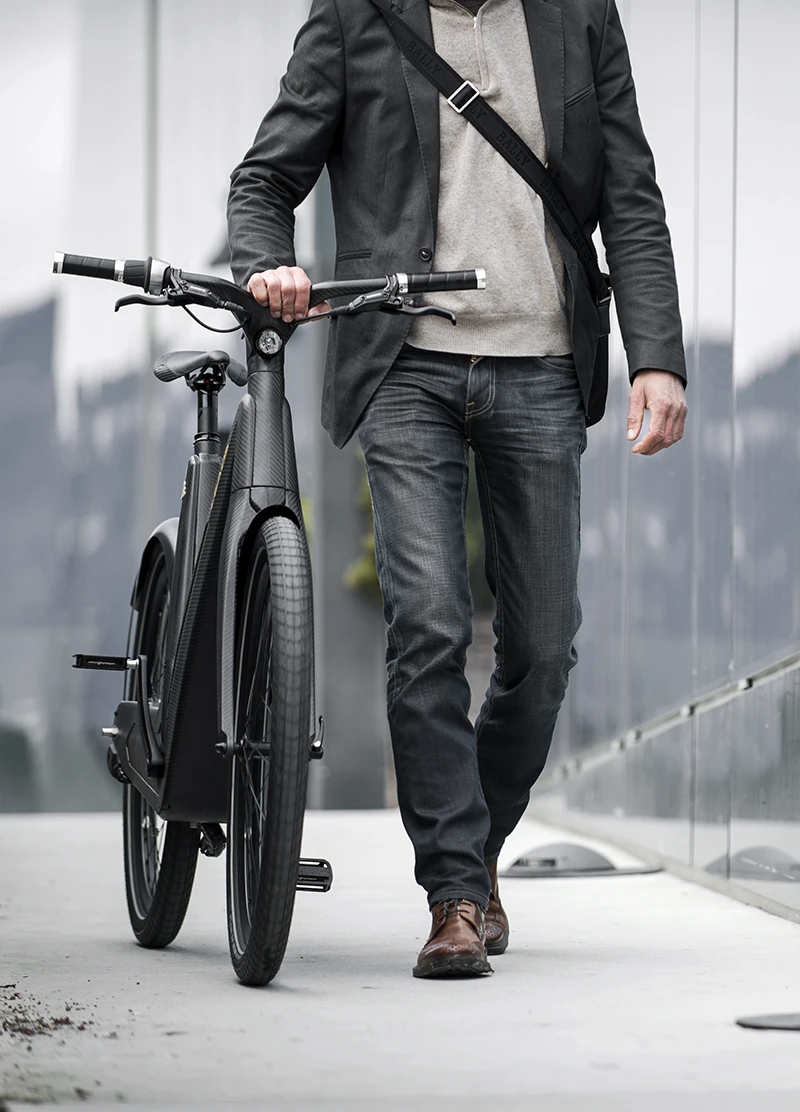
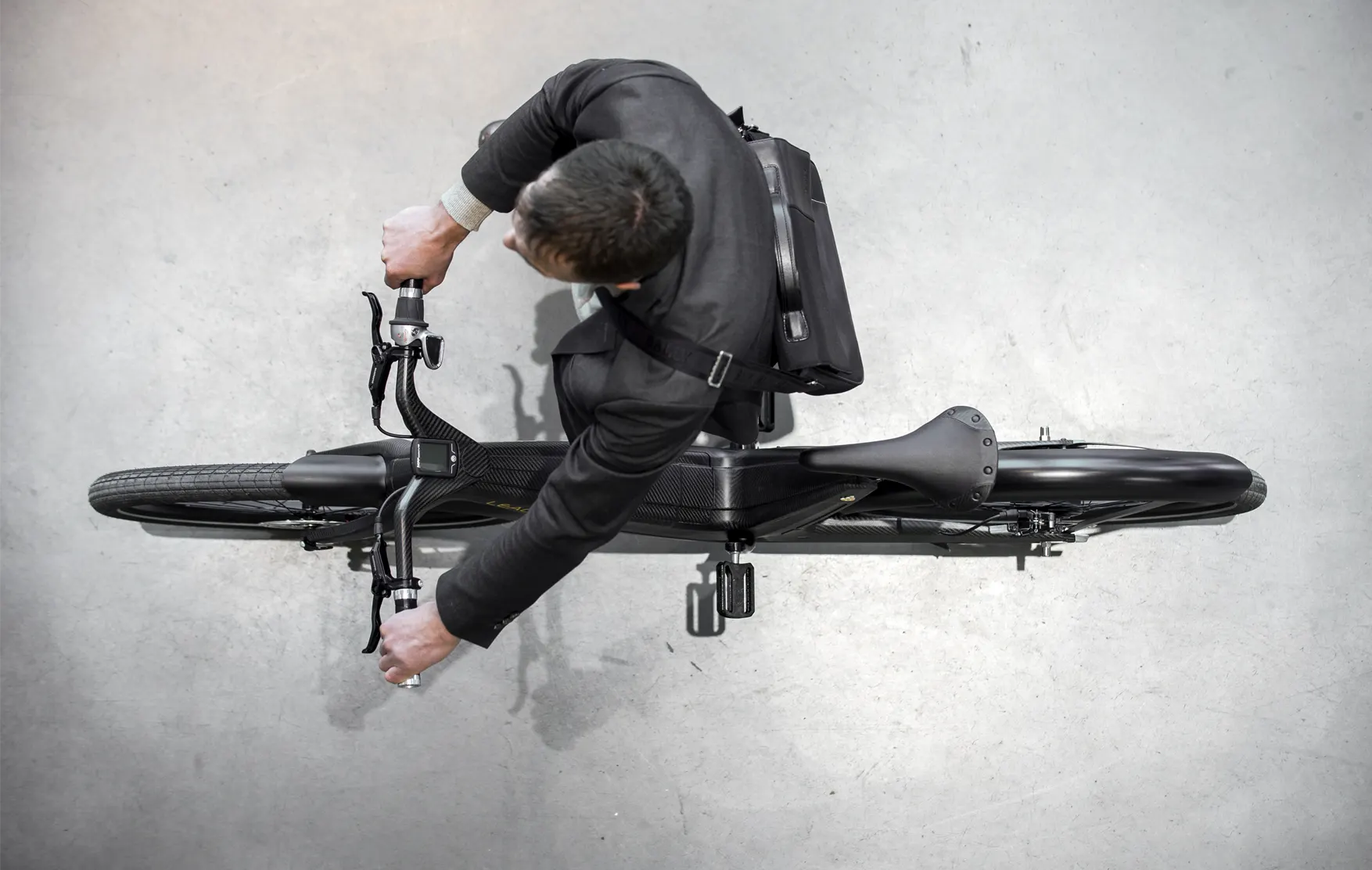
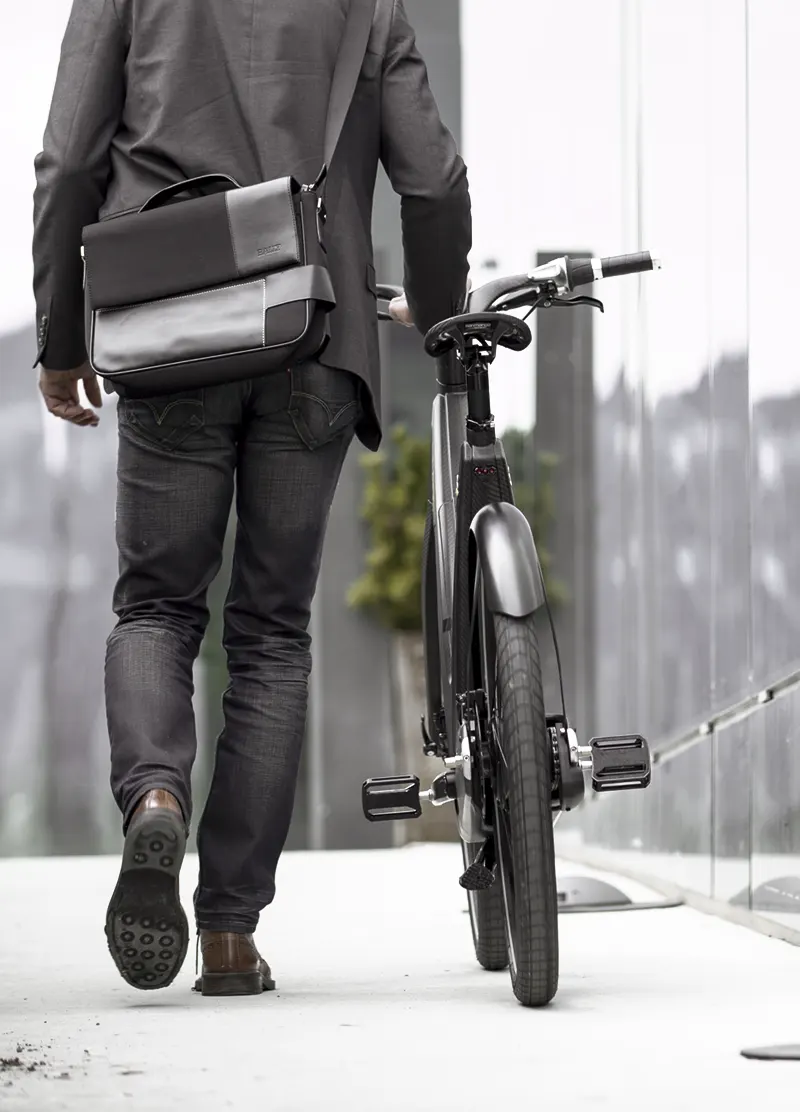
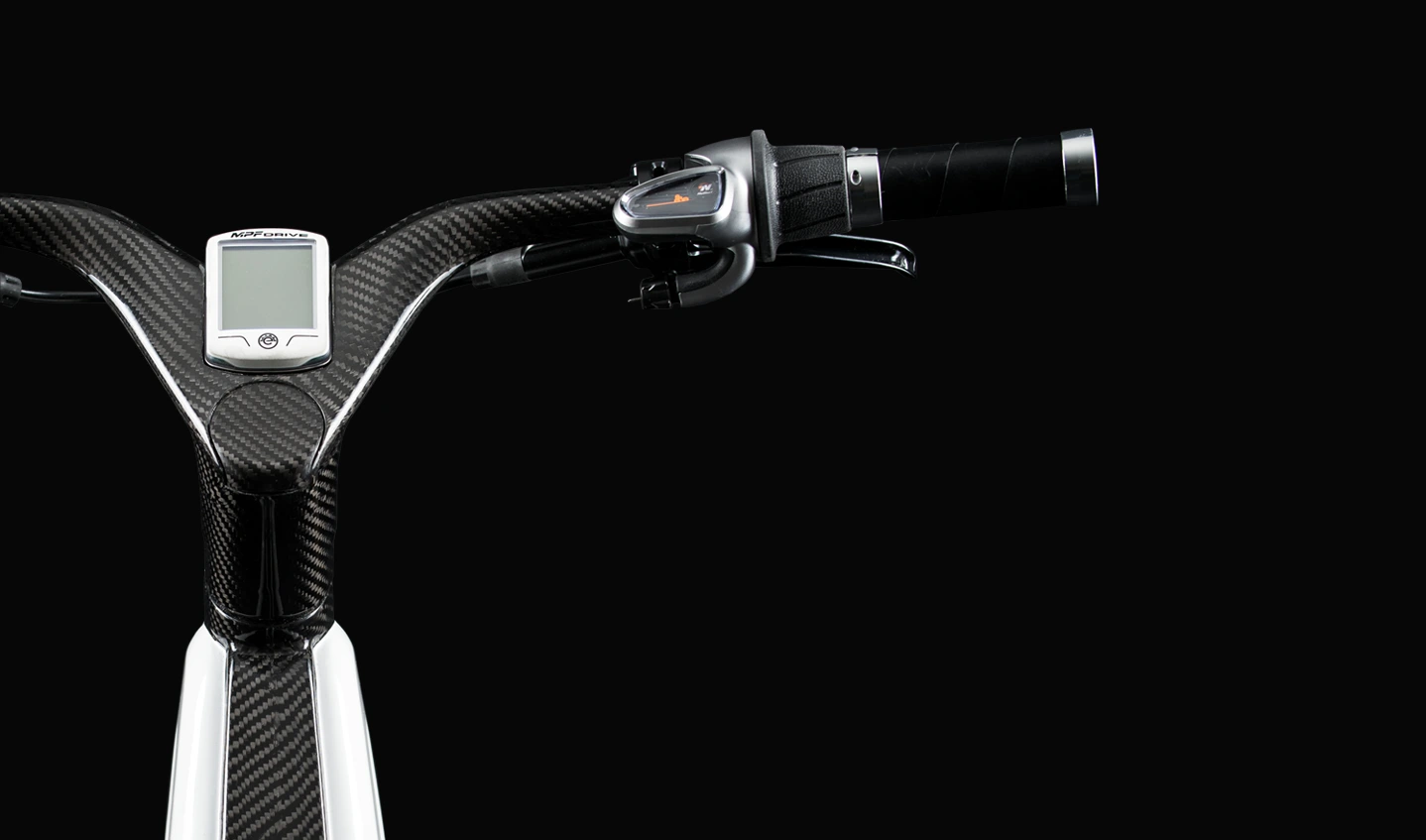
Every element of the project was developed to reduce the fragmented perception typically associated with traditional e-bikes.
The monocoque structure integrates components, battery and technical systems into a continuous and clean volume, transforming engineering complexity into visual simplicity.
The monocoque structure is made of carbon fiber and Kevlar, integrating components, battery and technical systems into a continuous and clean volume. The entire body was mathematically modeled in Rhino.
Project Overview
The project explores the relationship between industrial design, sustainable mobility and technological integration.
The entire platform was developed around the concept of continuity: not as a collection of components, but as a coherent system capable of combining function, ergonomics and visual identity.
The main structure uses carbon fiber and Kevlar, materials selected for their lightness, rigidity and design flexibility. Development required custom aluminum molds and advanced autoclave manufacturing processes.
A new identity for the e-bike
The project intentionally avoids direct references to both traditional bicycles and electric scooters.
The objective was to create an independent design language capable of representing a new vision of urban mobility: more fluid, integrated and contemporary.
Customization and modularity
One of the key elements of the project is the modular front system, designed to accommodate different materials and finishes.
The same structure can integrate solar panels, extending the concept of sustainability beyond electric propulsion alone.
Product ecosystem
The project also evolved through:
– integrated battery design
– dedicated accessory development
– bag and component design
– visual communication and exhibition materials
A cross-disciplinary approach transforming the product into a coherent ecosystem.
A new concept of movement
Experimental Mobility Concept Between Balance, Movement and Emotion